Curb Appeal Landscaping: Refresh an Overgrown Yard Fast
Getting ready to sell with an overgrown yard? Learn how to quickly boost curb appeal, tame weeds, and refresh foundation plantings before listing your home.
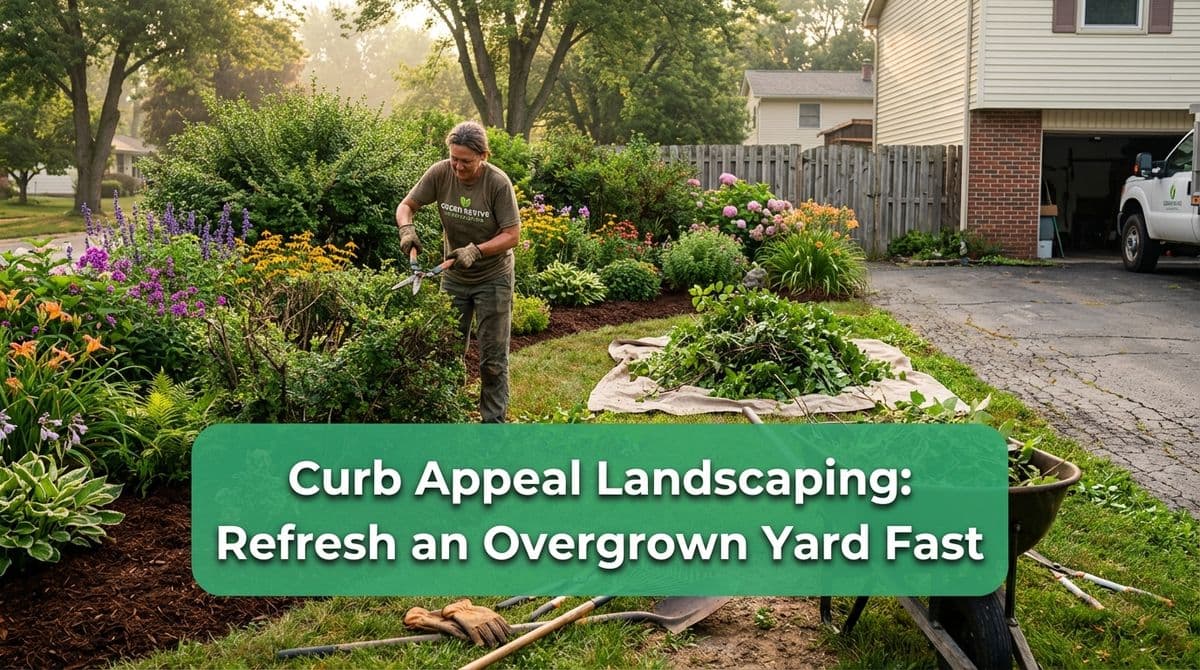
Getting an Overgrown Yard Ready to Sell
We recently got a call from a homeowner — let’s call him Mark — who was in a tough spot. He was the executor of his brother’s estate, and the house was sitting on about a half-acre lot that had really gone downhill over the years.
The grass was more weeds than lawn, the plant beds around the foundation were a mess, and he only had a short window to fix it up before putting the home on the market. On top of that, Mark lived out of town and could only be at the property for a couple of days.
If that sounds familiar, you’re not alone. We see this a lot: a good house with tired, overgrown landscaping that’s scaring off buyers before they even walk in the front door. In Mark’s case, we talked through a plan to make the yard show-ready by early summer without overspending.
What Buyers Really Notice First
When we meet sellers like Mark, they often ask, “Do I need to redo everything, or just make it look decent?” The honest answer: you don’t need a magazine-perfect yard — you need a clean, well-cared-for one.
Here’s what buyers and agents tend to notice in the first 10 seconds:
- Lawn condition: Is it green(ish) and even, or patchy and weedy?
- Front walkway and entry: Clear, welcoming, and framed by plants—or crowded and overgrown?
- Foundation beds: Do they look intentional, or like a jungle hugging the house?
- General tidiness: Edges trimmed, debris removed, nothing obviously broken or dying.
Our goal with curb appeal projects is to address those “first-glance” items fast, then decide where it’s worth investing a bit more for a better return.
Step 1: Taming a Weed-Heavy Lawn
Mark told us his brother’s yard was “more weed than grass,” which we hear a lot with homes that have sat for a while. When you’re selling, you usually don’t have a full season (or budget) to rebuild a perfect lawn, but you can make it look dramatically better with a few key steps.
Here’s the basic approach we recommended:
- Mow it down cleanly: Start with a good mow at the proper height (usually 3–3.5" for most cool-season grasses). Don’t scalp it trying to “start over”—that can make it look worse.
- Edge everything: A sharp edge along the driveway, sidewalks, and beds instantly makes even a mediocre lawn look intentional and maintained.
- Spot-treat obvious weeds: Prioritize broadleaf weeds in the most visible areas (front yard, around the walk and driveway). Full-lawn treatments are great if time allows, but focus where the eye goes first.
- Overseed bare patches: In our climate, a quick rake and overseed of the worst spots can help soften the look, even if it doesn’t fully fill in before listing.
If you’re on a tight timeline like Mark was, your main objective is to go from “neglected” to “respectable” — buyers will forgive a lawn that’s not perfect, but they notice one that looks abandoned.
Step 2: Cleaning Up Overgrown Foundation Beds
Mark’s biggest concern was the “disaster” around the edge of the house. Overgrown foundation beds can make a house feel smaller, darker, and older than it really is. Fixing that doesn’t always mean a full redesign; often, it’s a strategic cleanup.
Here’s the process we walk through on these projects:
- Clear out the clutter: Remove dead shrubs, broken branches, volunteer saplings, and anything obviously past its prime. This alone can transform the look.
- Trim, don’t always remove: Many shrubs just need a good pruning to pull them back from windows and walkways. Aim to keep plants below window sills and off the siding.
- Define the bed edges: Cut a clean, curved edge around the beds with a spade or edging tool. A crisp line between lawn and mulch is one of the biggest “wow” factors for very little cost.
- Refresh the mulch: A fresh 2–3" layer of mulch in a natural color (brown or dark) hides a lot of sins, suppresses weeds, and instantly modernizes the look.
With Mark’s yard, the plan was to save what was healthy, remove what was clearly dragging the curb appeal down, and then tie it all together with new mulch and bed edges.
Step 3: Simple, High-Impact Plant Choices
Another question Mark had was, “Do we need to add new plants to help it sell?” The answer depends on your budget and how bare things look after cleanup, but a few well-placed plants can make a big difference.
For homes going on the market, we usually recommend:
- Low-maintenance shrubs: Think neat, compact varieties that won’t scare buyers with future upkeep.
- Seasonal color near the entry: A couple of planters or a small bed with annuals by the front door draws the eye in and photographs well.
- Symmetry where possible: Matching or balanced plantings on either side of the front steps or walkway feel welcoming and tidy.
You don’t need a full landscape design; you just want the front of the house to feel inviting, not overwhelming.
Step 4: Prioritizing When Time Is Tight
Like Mark, many sellers are working with a hard deadline from their real estate agent. When time is limited, we help clients prioritize tasks in this order:
- Safety and access: Clear walkways, remove tripping hazards, trim back anything blocking drives or steps.
- Front door view: The route from the street to the front door should be clean, green, and welcoming.
- Major eyesores: Anything dead, wildly overgrown, or obviously neglected needs to go or be heavily trimmed.
- Finishing touches: New mulch, a couple of planters, maybe a refreshed house number or mailbox.
Even if you can only tackle the front and leave the back yard more basic, improving the curb appeal will help your listing photos stand out and get more showings.
Planning Your Own Curb Appeal Refresh
If you’re looking at an overgrown yard and a looming listing date, don’t feel like you have to reinvent the whole landscape. Focus on cleanliness, simplicity, and a few high-impact upgrades.
When we scheduled our on-site consultation with Mark, our goal was to walk the property, prioritize changes that would photograph well, and build a plan that fit within his timeline and budget. Whether you tackle it yourself or bring in a crew, that same mindset will serve you well: fix what’s broken, clean up what’s messy, and highlight the best features of the home.
Done right, a weekend or two of focused work in the yard can add thousands to your home’s perceived value — and make buyers excited to see what’s inside.